

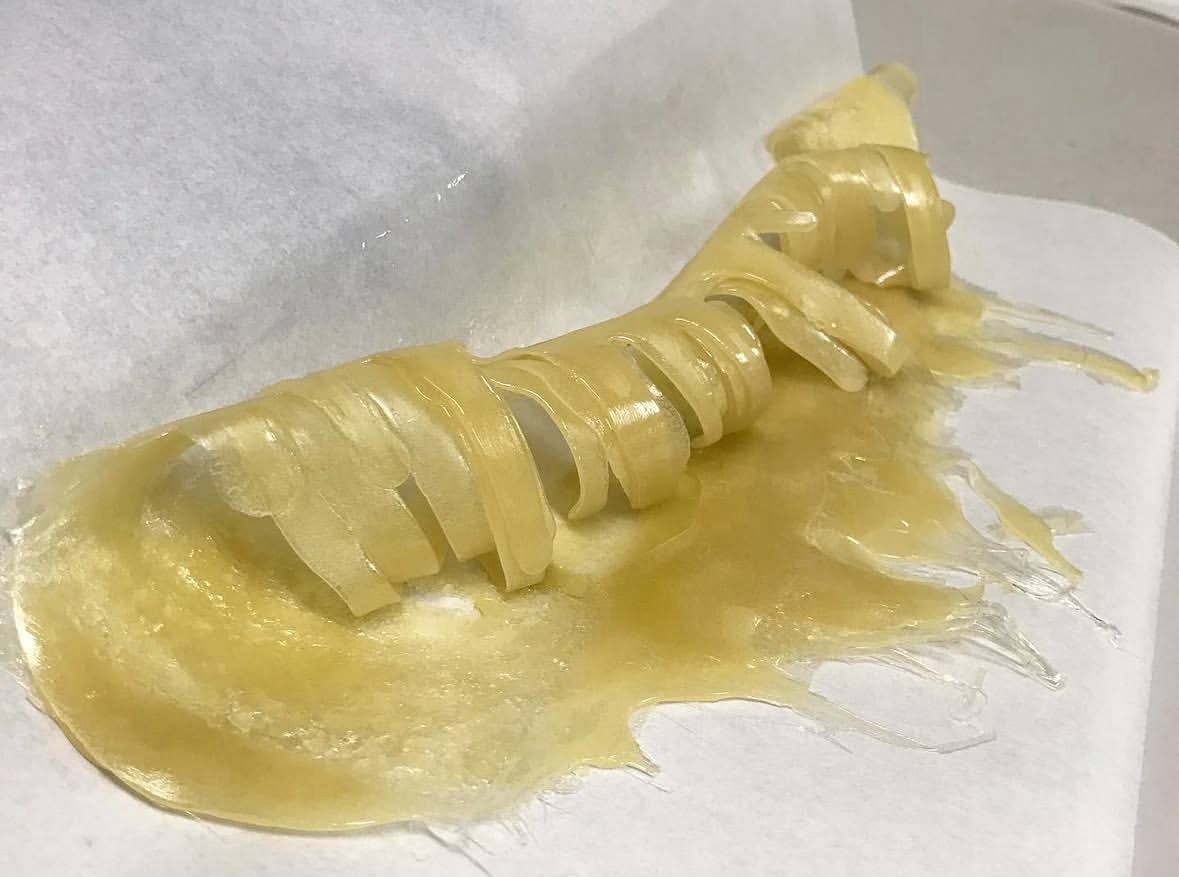
There are a lot of opinions in the solventless world.
Ask ten hash makers how they hot cure their rosin and you’ll probably get ten different answers. Some swear by leaving jars on top of a modem. Others use seedling mats, cupboards, ovens with the lights on, or simply let time do the work at room temperature.
I’ve tried most of them over the years.
When Cannabis Curing Machine LLC asked me to spend time testing the new iCure Fridge before its release, I was skeptical. I’ve been making hash and pressing rosin long enough to know that consistency is usually the first thing sacrificed when people start introducing heat into the process.
My first thought was simple:
“It’s a fridge. How much different can it really be?”
After several months of testing fresh press, full melt, bubble hash, and multiple cultivars of hash rosin, my opinion changed completely.
The new iCure isn’t trying to reinvent hot curing—it simply gives you a controlled environment to repeat your results.
And if you’ve ever lost a beautiful jar of rosin because it got too warm, too cold, or was forgotten in a drawer for a week, you’ll understand why that matters.
What Is Hot Curing?
Hot curing is the process of using controlled heat over time to alter the texture, consistency, and terpene expression of concentrates—particularly rosin.
Most people are familiar with cold cure, which generally produces a creamy, buttery consistency. Hot cure, on the other hand, can create:
- Rosin jam
- Batter
- Budder
- Sauce-like textures
- Enhanced terpene separation
Heat speeds up the natural changes that occur inside the jar. Cannabinoids begin to settle differently, terpenes become more expressive, and the consistency evolves into something completely different from fresh press.
The key word here is “controlled.”
Too much heat and you’ve cooked your terpenes.
Too little and you’ve accomplished nothing.
The difference between a mediocre hot cure and an exceptional one is often only a few degrees.
Why Traditional Hot Curing Methods Fail
Before testing the iCure, my hot cure setup looked like something you’d expect from a garage inventor.
At one point, I had jars sitting inside a cabinet above an espresso machine because it happened to maintain a relatively stable temperature.
Did it work?
Sometimes.
Did it work every time?
Absolutely not.
Common Problems With Traditional Methods
- Room temperatures fluctuate.
- Heat mats develop hot spots.
- Ovens are inconsistent.
- Terpenes degrade at higher temperatures.
- Results vary from batch to batch.
- You spend more time checking jars than enjoying the process.
The biggest issue isn’t getting a hot cure.
It’s getting the same hot cure repeatedly.
Professional extractors understand this immediately. Consumers are beginning to expect consistency, especially as solventless products continue to evolve.
Nobody wants their favorite cultivar to feel completely different every time they buy it.
Meet the New iCure Model!!
The first thing I noticed about the new model was its stability.
The previous generation was already useful, but this version feels purpose-built.
The new iCure includes:
- Temperature control from 0–40°C.
- A motor that’s approximately five times more powerful.
- Improved temperature stability.
- Larger internal capacity.
- Adjustable dividers.
- Dedicated storage for Miron jars, Mason jars, and slabs.
- Touchscreen controls.
- Standard power cable and vehicle adapter.
For testing purposes, I intentionally opened the door more than necessary, changed temperatures frequently, and loaded the chamber unevenly.
It recovered quickly every time.
As someone who has spent years curing hash in improvised environments, that’s probably the biggest improvement.
Consistency isn’t exciting to talk about—but it’s everything when you’re working with premium material.
My Testing Process
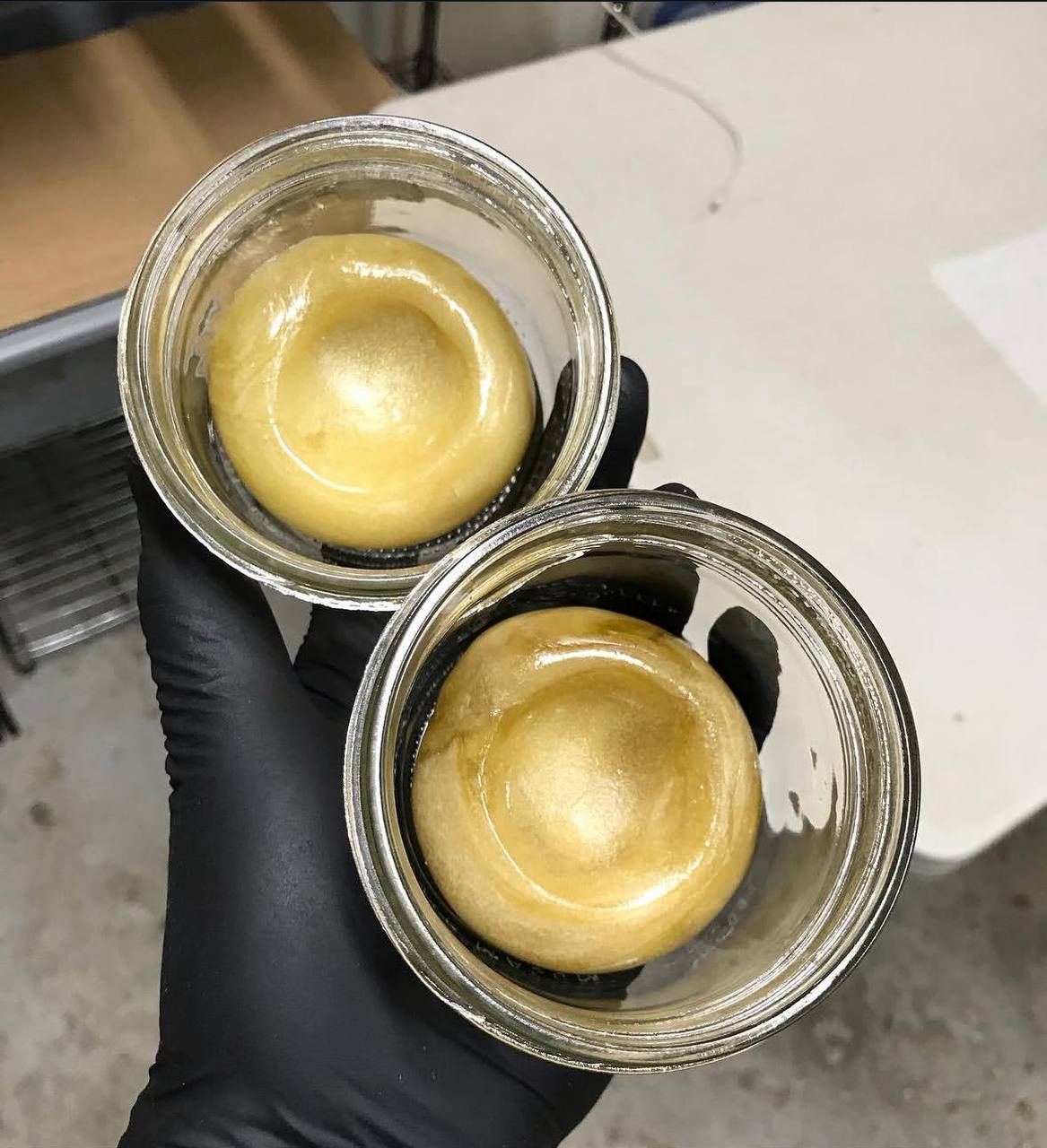
Over the course of testing, I ran dozens of small batches through the new iCure.
These included:
- Fresh press rosin.
- Hash rosin.
- Bubble hash.
- Full melt.
- Dry sift.
- Early piatella experiments.
Each batch was logged for:
- Temperature.
- Cure duration.
- Aroma changes.
- Texture development.
- Color retention.
- Stability after curing.
One cultivar stood out immediately.
A particularly terpene-heavy batch developed into an incredible whipped consistency after approximately 72 hours at 26°C. The aroma went from subtle fruit notes to what smelled like opening a bag of candy.
That was the moment I stopped treating the iCure as another storage device and started treating it as part of the production process.
How I Hot Cure Using the New iCure
There are countless ways to approach hot curing, but this workflow has consistently produced the best results for me.
Step 1: Start With Quality Material
No machine can fix bad input.
If your hash wasn’t good before pressing, it won’t become exceptional after curing.
The iCure improves consistency—not quality.
Step 2: Prepare Your Containers
I prefer:
- Miron jars.
- Small Mason jars.
- Airtight glass containers.
Avoid overfilling.
Leave enough room inside the jar for the material to breathe and evolve naturally.
Step 3: Set Your Temperature
My favorite settings are:
| Material | Temperature |
|---|---|
| Fresh Press | 24°C |
| Hash Rosin | 26°C |
| Full Melt | 22°C |
| Piatella Experiments | 20–22°C |
| Storage | 8–12°C |
These aren’t rules.
They’re starting points.
Every cultivar behaves differently.
Step 4: Let Time Do the Work
This is where most people fail.
They open the jar every few hours.
Don’t.
I typically leave fresh press untouched for at least 24 hours before checking it.
Think of curing like aging wine. Every interruption changes the process.
Step 5: Watch the Texture
Forget the clock.
Watch the jar.
I’ve had batches finish in 48 hours and others take nearly a week.
Look for:
- Budder formation.
- Terpene pooling.
- Uniform consistency.
- Aroma development.
Once it reaches the desired texture, you’re done.
My Favorite Results
After months of testing, three results consistently impressed me.
Fresh Press to Budder
At 24°C, many fresh press samples transformed into a smooth, creamy consistency in approximately two days.
This remains my favorite use for the iCure.
Rosin Jam
Running slightly warmer temperatures around 26–28°C produced beautiful jam-like textures on several cultivars.
The terpene expression was incredible.
Controlled Storage
Ironically, one of the biggest surprises wasn’t hot curing.
It was storage.
Anyone who makes hash knows the anxiety of wondering whether your prized jars are sitting at the right temperature.
Being able to move directly from hot cure into long-term controlled storage inside the same unit is incredibly convenient.
Common Hot Cure Mistakes
If you’re new to hot curing, avoid these mistakes:
Opening Jars Too Often
Curiosity ruins more cures than bad equipment.
Running Temperatures Too High
Higher temperatures don’t necessarily mean faster results.
They usually mean less terpenes.
Using Poor Starting Material
You can’t polish a stone into a diamond.
Chasing Someone Else’s Results
Your cultivar isn’t my cultivar.
Use recommendations as a starting point, not a rulebook.
Who Will Benefit Most From the New iCure?
After testing it extensively, I’d say the new iCure is ideal for:
- Home hash makers.
- Rosin enthusiasts.
- Boutique cannabis brands.
- Commercial solventless labs.
- Cannabis cup competitors.
- Piatella makers.
- Medical extract producers.
- Content creators and educators.
It’s especially useful for people who care about repeatability.
If you’re pressing once every six months, it might be more machine than you need.
But if you’re regularly producing solventless products, consistency quickly becomes worth paying for.
The Future of Hash Curing
Ten years ago, most conversations focused on extraction.
Today, the conversation is changing.
People ask:
- Was it cold cured?
- Was it hot cured?
- How long was it cured?
- What temperature was used?
Events like Spannabis and Mary Jane have shown just how educated consumers have become. The average enthusiast now understands that extraction is only part of the story.
Curing defines the final experience.
We’re entering an era where post-processing will become just as important as pressing.
And honestly, that’s a good thing.
Final Thoughts
When I started testing the new iCure, I expected another niche product aimed at enthusiasts.
What I found instead was a tool that removes much of the guesswork from one of the most inconsistent parts of solventless production.
Will it magically improve mediocre hash?
No.
Will it give experienced makers a reliable way to repeat great results?
Absolutely.
After months of testing, my biggest takeaway is simple:
Consistency beats speed every single time.
The best hash makers in the world aren’t successful because they get lucky. They’re successful because they can produce the same exceptional result again and again.
The new iCure doesn’t make the decisions for you.
It simply gives you an environment where those decisions can finally be repeated with confidence.
And in the world of hash, that’s a pretty significant innovation.
Because pressing makes hash.
But curing is what gives it character.
If you’d like, I can also prepare the Yoast SEO title, meta description, focus keyphrase, FAQ schema, and internal linking recommendations for publishing this article on cannabiscuringmachine.com.
Hot Cure using the new icure hash fridge FAQ
- What temperature should I use to hot cure rosin?Most hash makers achieve excellent results between 24°C and 28°C, depending on the cultivar and desired consistency.
- How long does hot curing take?Hot curing can take anywhere from 24 hours to 7 days. Fresh press often develops a buttery consistency within 48–72 hours.
- Can I hot cure full-melt hash?Yes. Full-melt hash can be hot cured at lower temperatures, typically around 20–22°C, to preserve delicate terpene profiles.
- Is hot curing better than cold curing?Neither method is inherently better. Hot curing tends to create jam, budder, and batter textures, while cold curing generally preserves a creamier consistency.
- Can the new iCure be used for long-term storage?Yes. The new iCure supports temperatures from 0–40°C, allowing users to transition from curing directly into controlled storage.
- What containers work best inside the iCure?Miron jars, Mason jars, and other airtight glass containers are recommended for optimal results.
- Does hot curing increase terpene content?Hot curing does not increase terpene content, but it can enhance terpene expression and alter the sensory experience of the final product.
- Is the iCure suitable for commercial use?The new model is suitable for home users, boutique brands, and commercial solventless operators seeking repeatable curing results.